Nine Dimensions, One Clear Roadmap: Arcos Dorados' Salesforce Org Assessment
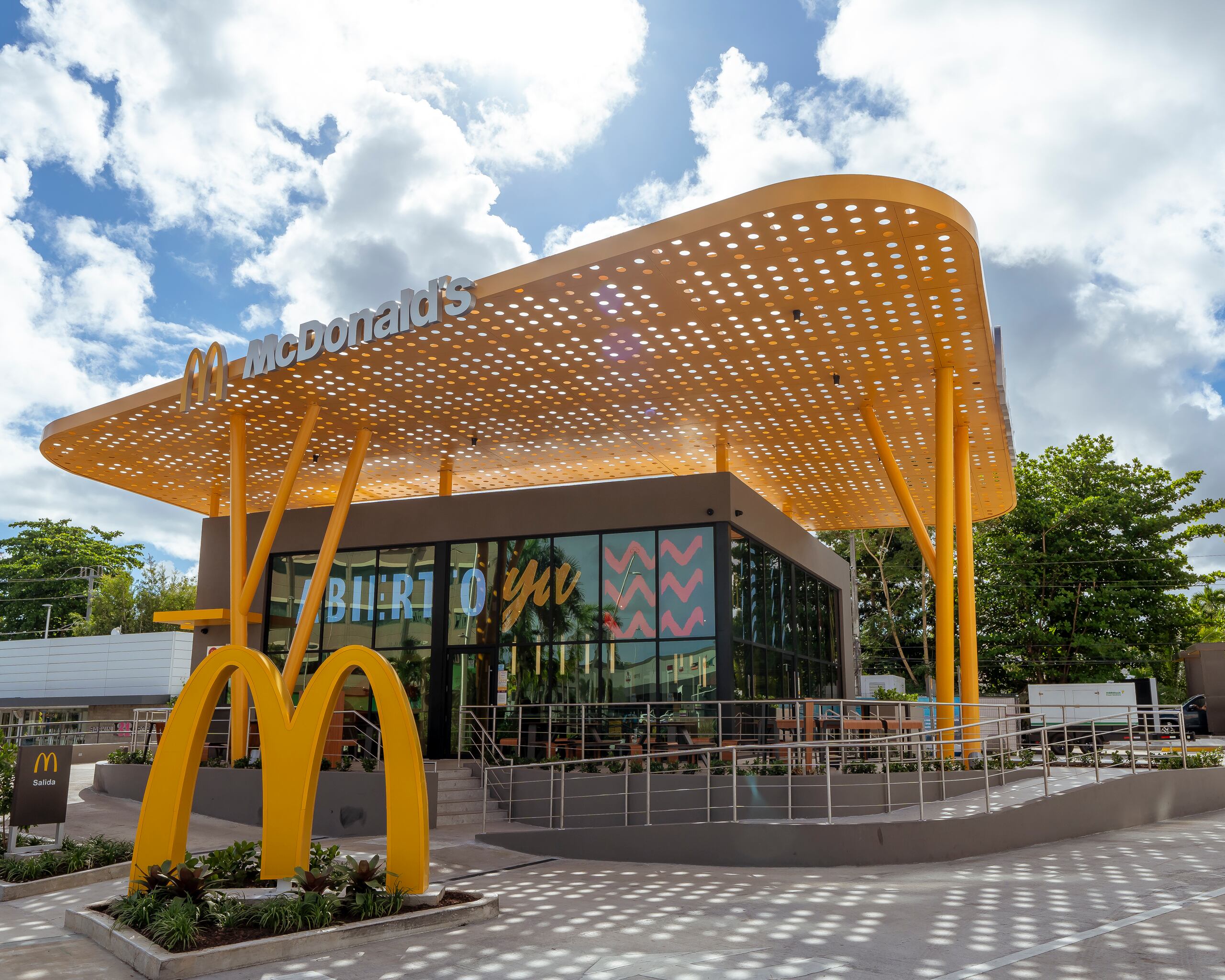

Salesforce sits at the center of Arcos Dorados' regional operation, orchestrating service, e-commerce, refunds, and marketing across millions of interactions a year in LATAM. Hikko ran a full-scope Org Assessment across nine dimensions of the platform and delivered a single, prioritized roadmap so the team knows exactly what to fix, in what order, and why.
Introduction
Salesforce sits at the center of Arcos Dorados' regional operation, orchestrating service, e-commerce, refunds, and marketing across millions of interactions a year in LATAM. Hikko ran a full-scope Org Assessment across nine dimensions of the platform and delivered a single, prioritized roadmap so the team knows exactly what to fix, in what order, and why.
Arcos Dorados runs one of the largest Salesforce footprints in the region. The platform isn't a peripheral tool here, it's the operating core: Service Cloud handles customer care, an e-commerce layer built on MongoDB drives orders, Marketing Cloud and Data Cloud components sit alongside it, and a dedicated integration processes every cancellation and refund. Millions of interactions a year, across multiple countries, run through this single system.
A platform that central earns years of continuous, incremental change, new features, new integrations, new automations, added by different teams, at different times, under different pressures. Arcos Dorados had never stepped back to see the whole picture at once.
The Challenge
The org worked. It processed refunds, routed cases, and supported a contact center handling high volumes across countries. But nobody inside Arcos Dorados could answer a simple question with confidence: where exactly is this platform exposed, and what does it cost to leave it as is?
That's the risk that matters most in a system this central. Not a single visible failure, but the accumulation of years of organic growth, automations layered on automations, access rules nobody had revisited, documentation that lived in people's heads instead of in the platform, that quietly increases both operating cost and the odds of an incident. Without a structured assessment, that risk stays invisible until it isn't.
The Solution
Hikko ran a full-scope Org Assessment across nine dimensions of the platform, then turned the findings into a single, prioritized roadmap.
Hikko's team spent weeks inside the org, not sampling, going end to end. The assessment covered architecture and data model, security and access control, automations and code quality, the integration landscape, DevOps and technical governance, storage, licensing, the Agentforce implementation, and the Contact Center operation.
Each dimension was scored independently, then cross-referenced. A finding in automation fragmentation, for example, was checked against real incidents the operations team had already logged, and against how it showed up in storage growth and in the cost of every Agentforce interaction. The goal wasn't a list of isolated technical observations. It was a picture of how risk moves through a system this interconnected, and which parts of it carry real economic weight.
Arcos Dorados could have asked for a quick list of fixes. Hikko pushed for something more useful first: full visibility before a single line of remediation work began. A platform this central doesn't reward guesswork, it rewards sequencing. Fixing the wrong thing first, or fixing the right thing without understanding its dependencies, costs more than the assessment itself.
So the engagement stayed at diagnosis and planning until the picture was complete: every finding scored by risk and business impact, every recommendation tied to an estimated effort, and the whole set organized into a roadmap the team could actually execute against.
What we delivered
Conclusion
Arcos Dorados went from operating a critical platform with partial visibility to having a scored, sequenced, board-ready plan. Nine dimensions assessed.
Eighteen findings triaged and prioritized. A 24-week roadmap agreed and ready to execute, starting with the risks that carry the most immediate exposure.
The platform hadn't changed yet, but the path forward finally had a map.
From SOAP to seamless: how GoTo rebuilt remote support inside every Salesforce Case
Hikko modernized Rescue by GoTo (the Salesforce package that puts GoTo's remote support inside the agent's Case) by migrating the session engine from legacy SOAP to a modern REST API, adding install-free browser support (Zero Download View), capturing full auditable chat transcripts on every Case, and clearing out workflow friction, all delivered across six governed, US/EU-ready, AppExchange-compliant releases.

How the Milken Institute Put Its Donor Data on Agentforce
The Milken Institute's Business Development team spent hours assembling high-profile donor and sponsor profiles by hand in Word and Excel, so Hikko built an Agentforce Employee Agent that generates them from a single natural-language request. No IT tickets, no spreadsheets, and no waiting.