From Hangars to Lounges: How a 2-Million-Passenger Airport Runs It All on One Platform, thanks to Hikko
Uruguay's main international airport was running six commercial businesses on separate systems. Hikko built one unified Salesforce platform to manage all of them, automating contracts, billing, and operations end to end

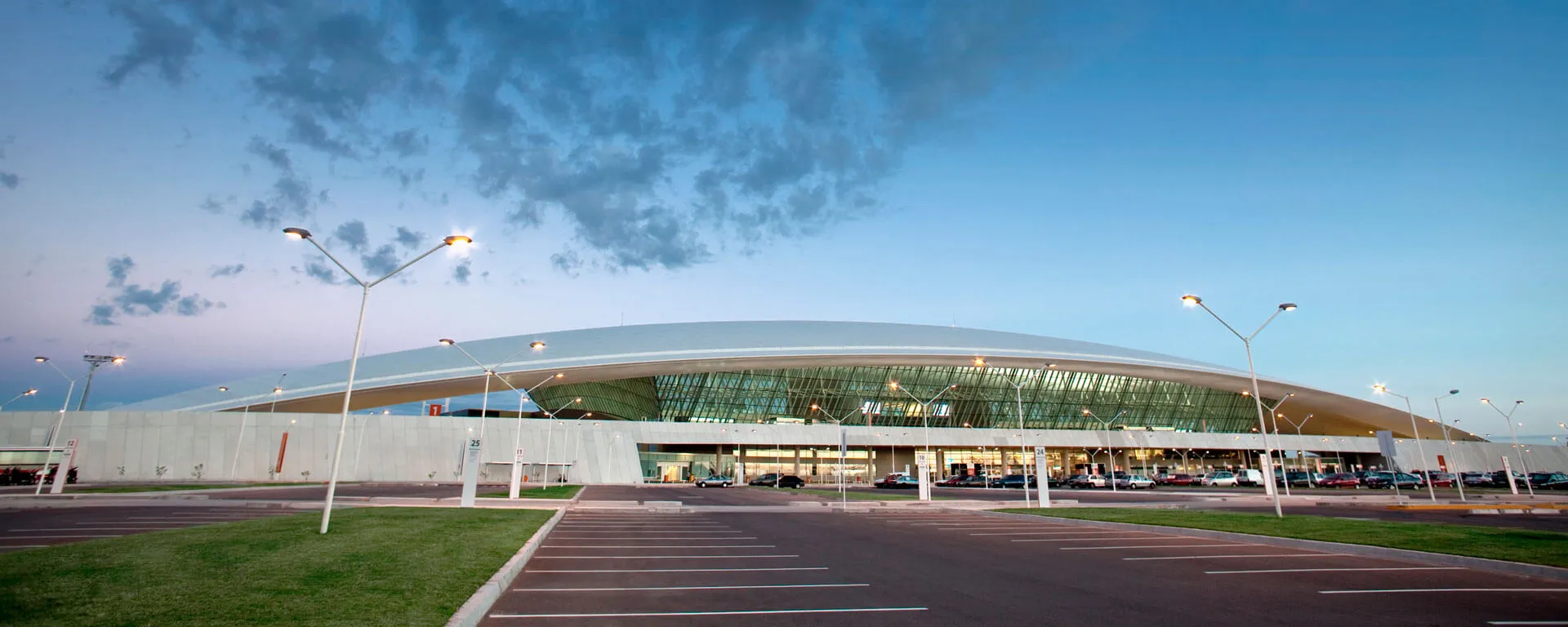
How Uruguay's main international airport unified six business lines, automated its revenue operations, and gave its team back time to grow.
Introduction
Aeropuerto Internacional de Carrasco is Uruguay's primary international gateway, and far more than a transit hub. The airport operates a full commercial ecosystem: leasing retail and office spaces, managing aircraft hangars, selling advertising placements, hosting events and film shoots, running a premium VIP lounge, and dispatching private aviation services.
Each of these businesses shares the same building, the same clients, and the same finance team. But they weren't sharing the same platform.
The Challenge
Running an international airport's commercial operation means managing six very different businesses under one roof, each with its own clients, contracts, pricing logic, and billing cycles. Retail concessions work nothing like private aviation dispatching. VIP lounge access has nothing in common with advertising placements. Yet all of it needs to be tracked, billed, and reported as part of a single commercial strategy.
As AIC's portfolio grew, so did the need for a platform that could hold all of it together, one that could handle the full range of what they do without forcing every business area into the same mold. The team needed visibility across the whole operation, automation that matched their actual workflows, and the confidence that every invoice was accurate and on time.
The Solution
Hikko built a unified commercial management platform on Salesforce, purpose-designed around how AIC actually operates. Rather than forcing six different businesses into a generic template, we modeled each commercial area on its own terms, while connecting them through shared infrastructure for contracts, billing, and reporting.
What we delivered
A live map of the airport's commercial spaces: managers can see what's available, what's reserved, and what's expiring, all in one interactive view. Reservations are confirmed on the spot, without leaving the platform.
End-to-end billing automation: from the moment a quote is approved, the entire invoicing process runs automatically: currency rates are applied, the fiscal invoice is issued, and the financial record is posted to accounting, with no manual steps in between.
A connected VIP lounge experience: lounge staff see arriving and departing passengers, validate access rights, and process payments from a single screen that stays in sync with live flight data.
Automated contract lifecycle management: renewals, expiration alerts, price adjustments, and monthly billing for long-term tenants all run on schedule without manual triggers.
Conclusion
AIC didn't need a generic CRM. They needed a platform that understood the difference between leasing a hangar and checking a VIP passenger into a lounge, and could handle both without the team having to work around it.
What we built gave their commercial team a single place to see everything, automate the repetitive, and focus on what actually drives revenue: relationships, renewals, and growth.


The views expressed in this article are those of the author and do not necessarily reflect the official policy or position of Hikko.
Nine Dimensions, One Clear Roadmap: Arcos Dorados' Salesforce Org Assessment
Salesforce sits at the center of Arcos Dorados' regional operation, orchestrating service, e-commerce, refunds, and marketing across millions of interactions a year in LATAM. Hikko ran a full-scope Org Assessment across nine dimensions of the platform and delivered a single, prioritized roadmap so the team knows exactly what to fix, in what order, and why.
From SOAP to seamless: how GoTo rebuilt remote support inside every Salesforce Case
Hikko modernized Rescue by GoTo (the Salesforce package that puts GoTo's remote support inside the agent's Case) by migrating the session engine from legacy SOAP to a modern REST API, adding install-free browser support (Zero Download View), capturing full auditable chat transcripts on every Case, and clearing out workflow friction, all delivered across six governed, US/EU-ready, AppExchange-compliant releases.